
Latest News Update
Retro Game News
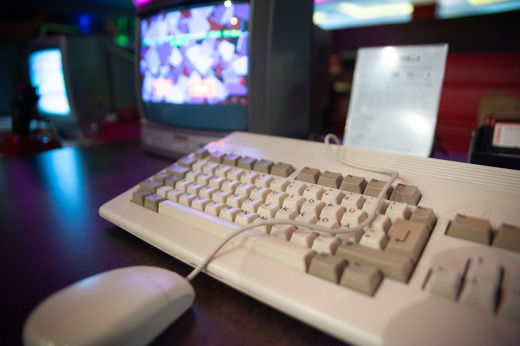
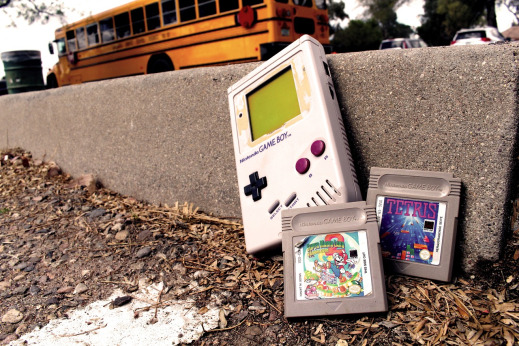
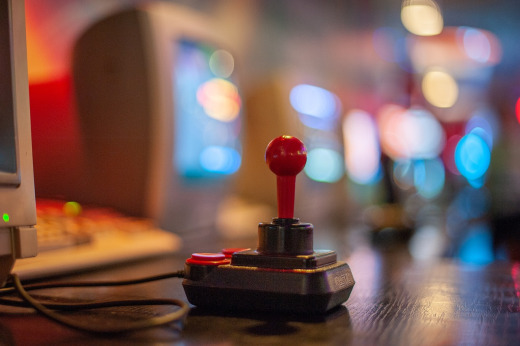
Steam Deck News
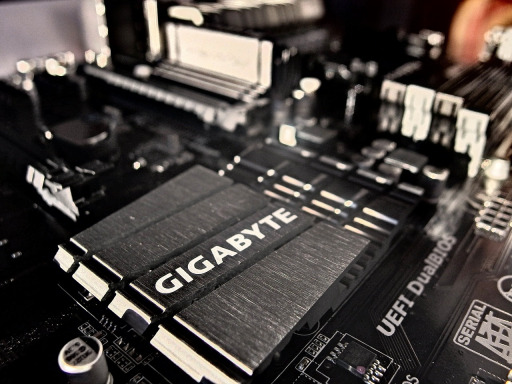
Latest Steam Deck componets for upgrades!

Setups that will enchance your gaming experience
Community hombrew and hacks with upcoming programming jams
Full Article Feed
PolyWire's Top 5 Games of the Year 2025! 🏆
What a year for video games. Seriously, looking back at my 2025 gaming rotation, I’m floored by the variety and quality we got. It wasn’t just about having fun (though that was a huge part of it); it was about experiences that stuck with me long after I put the controller down.
From gritty historical epics that made me feel every swing of a sword to co-op adventures that required real teamwork and creativity, this year had it all. Each of these games earned its spot on this list not just for being technically impressive, but for delivering something unique that left a real mark. These are my top five video games of the year.
🦍 5. Donkey Kong Bananza
Nintendo didn’t just give us a new Donkey Kong game; they reinvented what a 3D platformer can be. Donkey Kong Bananza takes the explorable kingdoms of Super Mario Odyssey and gives them to a character whose main verbs aren’t “jump” and “stomp,” but “punch,” “smash,” and “demolish.” The core idea is breathtaking in its simplicity and execution: in DK’s underground world, you can destroy almost everything.
This isn’t mindless destruction. It’s the foundation for all the gameplay. See a collectible embedded in a wall? Rip a chunk of earth from the ground and hurl it like a cannonball to break the wall open. Need to cross a gap? Smash a pillar to create a bridge. The world is your playground, and you have a giant gorilla’s toolkit to reshape it. The controls are Nintendo perfect, and chaining together moves like tearing up terrain, surfing on it, then leaping off to smash an enemy which feels incredible.
The genius of Bananza is that it’s not about destruction. It’s about exploration, puzzle-solving, and collection in a world where destruction is your primary tool. The game expertly guides your eye with visual cues, leading to smart “aha!” moments. Later layers introduce brilliant environmental puzzles, like using ice to harden lava into platforms or manipulating symbiotic slime, that force you to think creatively with DK’s powers. It creates a wonderful, almost Zelda like sense of discovery.
👭 4. Split Fiction
The team at Hazelight Studios did it again. After the masterpiece that was It Takes Two, they’ve somehow raised the bar with Split Fiction, a game that might just be the new gold standard for co-op play. The concept is gloriously ridiculous: you and a friend play as Zoe and Mio, two aspiring authors whose brains are hooked into a machine that steals their story ideas. To escape, you must platform and puzzle your way through the worlds of their imaginations, Zoe’s high fantasy realms and Mio’s sleek sci-fi landscapes.
This setup is a cheat code for creativity, and Hazelight uses it to deliver an absolutely relentless rollercoaster of gameplay ideas. You might be sword fighting giant fantasy beasts in one level, then piloting mechs in a zero gravity space battle the next. The game constantly reinvents itself, throwing new mechanics, perspectives, and wild set pieces at you so fast that it never has a chance to get stale. The core platforming feels better than ever, with a satisfying weight to the jumps and dashes that makes nailing a tricky sequence incredibly rewarding.
What truly makes it sing, though, is the mandatory teamwork. This isn’t a single player game with a co-op buddy tagging along. Every puzzle, every boss fight, every platforming challenge is built from the ground up for two people to communicate and coordinate. There were moments where my partner and I had to shout instructions, time jumps perfectly in sync, and genuinely work as a unit to progress. The game is also wonderfully accessible, with generous checkpoints and a skip option for truly stuck players, ensuring the fun is never bogged down by frustration.
While the core story of the two authors bonding is sweet, the real narrative is the gameplay itself. Split Fiction is a 14 hour celebration of pure, unadulterated video game fun and the joy of playing with a friend. It’s polished to a mirror shine, bursting with imagination, and easily one of the most purely enjoyable experiences of the year.
📦 3. Death Stranding 2
Alright, let’s address the elephant in the room. Yes, playing Death Stranding 2 often feels like hard work. You are, fundamentally, a post apocalyptic delivery person. You will spend hours carefully balancing stacks of cargo on your back, plotting routes across treacherous mountains, and forging through supernatural timefall rain. If that sounds tedious, you’re not wrong. But if you can meet this game on its own terms, you’ll find one of the most profoundly unique and connective experiences in all of gaming.
The sequel doubles down on the quiet, meditative core of traversing a broken world. The act of delivery itself is the game. Every step is a calculated risk. Will you take the shorter, more dangerous path through BT territory? Do you have enough ladders and climbing anchors to scale that cliff? The satisfaction doesn’t come from a flashy headshot, but from successfully navigating a brutal stretch of terrain and delivering your packages intact. It’s a system that turns landscapes into characters and journeys into stories.
Where Death Stranding 2 truly evolves is in its expanded focus on rebuilding connections. Beyond just delivering packages, you’re actively participating in reconstructing a fractured America. Building roads, establishing zip line networks across mountain ranges, and leaving helpful signs, ladders, and shelters for other players creates a powerful, silent camaraderie. You’re almost never playing with other people, but you are constantly playing alongside them, benefiting from their kindness and contributing to a shared world. In an age of competitive multiplayer, this asynchronous cooperation is strangely moving.
It’s a game wrapped in a bizarre, Kojima esque story of babies in pods, extradimensional beings, and a star studded cast chewing scenery. You’ll either love its eccentricity or find it baffling. But beneath the weirdness lies a potent message about isolation, dependence, and the fundamental human need to reach out and rebuild. Death Stranding 2 is a monumental, stubborn, and often beautiful artifact. It’s less a game to be "won" and more a strange, arduous, and ultimately rewarding journey to be endured and appreciated.
🦸♂️ 2. Dispatch
Imagine running a customer service call center, but your "customers" are citizens in danger and your "employees" are a team of barely reformed, sarcastic super villains. That’s the brilliantly simple, hilarious, and often stressful premise of Dispatch, the narrative game that took 2025 by storm. You play as Robert Robertson, a former superhero whose mech suit is destroyed, forcing him to take a desk job dispatching a "Z Team" of villains on insurance mandated hero work.
Dispatch cleverly splits your time between two modes. Most of it is spent in beautifully animated story segments, making dialogue choices and navigating quick time events in the style of classic Telltale games. The writing is sharp, witty, and full of heart, with a star studded cast (including Aaron Paul as Robert) delivering fantastic performances. You’ll find yourself genuinely invested in these flawed characters, defending them like misbehaving children one moment and being moved by their hidden depths the next.
The other half of the game is the dispatching minigame itself. You watch a city map as emergencies pop up with timers, and you have to match the right hero to each with unique stats and personalities to the job. It sounds straightforward, but it’s a tense, chaotic management puzzle. The game isn’t afraid to shake things up; early on, the team might be fighting amongst themselves and refuse your direct orders, perfectly translating the story’s friction into gameplay. Some reviews found this minigame frustratingly opaque, but for me, that unpredictable chaos was part of the charm, mimicking the stress of Robert’s impossible new job.
What makes Dispatch special is how it modernizes the interactive narrative genre. It looks and feels like a premium TV series, with a story that tackles redemption and what makes a hero in incredibly smart ways. By the time the credits rolled on its eight episode season, I wasn’t just satisfied, I was immediately ready to jump back in to see how different choices would play out, and I’m already begging for a Season 2.
🛡️ 1. Kingdom Come: Deliverance 2
Kingdom Come: Deliverance 2 is not a game for everyone. If you’re looking for a power fantasy where you mow down armies as a chosen one demigod, look elsewhere. But if you’ve ever wanted to feel what it was genuinely like to be a nobody in the brutal, beautiful, and unforgiving world of 15th century Bohemia, then this is your masterpiece.
The game’s greatest strength is its staggering immersion. This isn’t just window dressing. Your clothes get dirty from travel, making nobles look down on your scruffiness until you visit a bathhouse. Want to be stealthy? You need to wear dark, quiet clothing. Walking into a tavern covered in blood with your sword drawn? That’s a great way to intimidate people into doing what you want. Every action has a tangible, logical consequence in the world. The story itself is refreshingly small scale for an RPG, focusing on personal revenge and political maneuvering on the margins of a larger war, rather than a worldending cataclysm.
Of course, the commitment to realism extends to the combat, which has a famously steep learning curve. You start as a peasant who can barely hold a sword. I vividly remember getting beaten up by a town drunk in my first hour. But by dedicating time to train with a knight, hours of real time practice, I slowly transformed. The moment I could confidently take on three bandits at once, purely through my own learned skill and not just upgraded stats, was one of the most satisfying feelings I’ve ever had in a game. It’s a system that demands patience but rewards you with a genuine sense of becoming a warrior.
The game isn’t without its frustrations. You can’t save anywhere; you need to drink a special (and expensive) alcoholic drink or sleep in a bed. Bugs and occasional quest triggers can force you to reload old saves. But these rough edges are part of the package for a game this ambitious. Kingdom Come: Deliverance 2 is a shining, if occasionally mud stained, suit of armor, a uniquely hardcore RPG that makes you earn every single victory.
It’s also a technical showpiece and a heartfelt adventure. The story of DK helping a young Pauline find her way home is surprisingly touching. More importantly, watching the world dynamically crumble and reshape under Donkey Kong’s fists gives a sense of power and physicality that’s utterly unique. Bananza isn’t just a fantastic Donkey Kong game; it’s a groundbreaking, joyous, and brilliantly designed adventure that proves there are still new mountains for platformers to climb.
That’s my list for 2025! It was a year for games with strong identities, whether that meant throwing you into the mud of history, onto the front lines of a superhero helpline, or onto the back of a friend for a wild co-op ride. What were your favorite games this year? Let me know in the comments below!